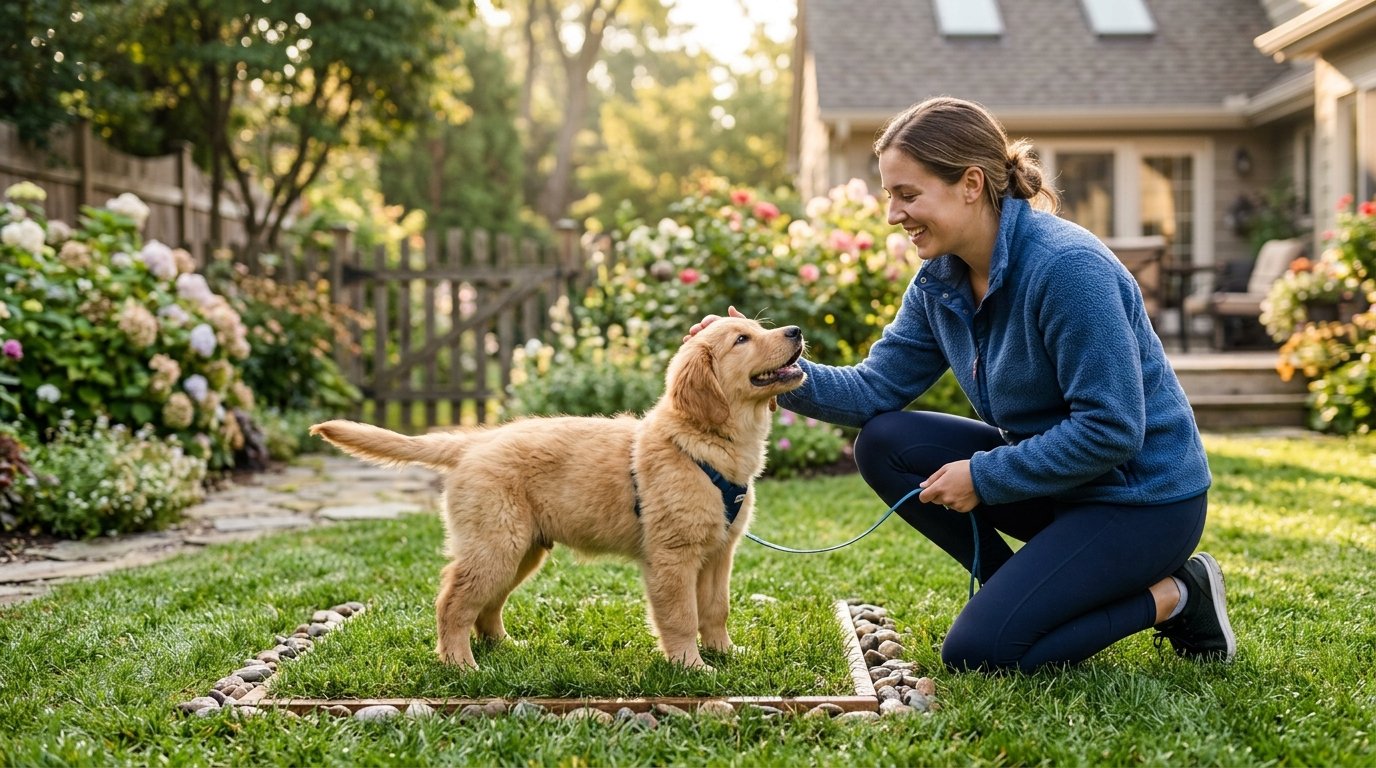
How to Potty Train a Puppy Fast: Easy Steps for Success
How to Potty Train a Puppy Fast Easy Steps for Success !Bringing a new puppy home is exciting, but potty training can be one of the first challenges every new dog owner faces. Accidents on carpets, floors, or furniture are normal during the early weeks because puppies have small bladders and are still learning where they should goHow to Potty Train a Puppy Fast Easy Steps for Success
The good news is that how to potty train a puppy fast is not about forcing a puppy to learn overnight. The fastest approach is to create a predictable routine, supervise closely, take the puppy outside at the right times, and reward successful potty trips immediately.How to Potty Train a Puppy Fast Easy Steps for Success
With patience and consistency, your puppy can gradually understand where and when it should relieve itself.
Why Is Potty Training Important?
Potty training teaches a puppy an important household rule: where it is appropriate to urinate and defecate.How to Potty Train a Puppy Fast Easy Steps for Success
A well-trained puppy is easier to manage at home and can eventually have more freedom around the house. Good potty habits also help owners avoid constantly cleaning floors and furniture.How to Potty Train a Puppy Fast Easy Steps for Success
However, puppies cannot always control their bladder for long periods. Their age, size, activity level, feeding schedule, and individual development can affect how frequently they need to go outside.How to Potty Train a Puppy Fast Easy Steps for Success
How to Potty Train a Puppy Fast
1. Create a Consistent Schedule
One of the most effective ways to speed up potty training is to establish a regular routine.
Take your puppy outside:
- Immediately after waking up
- After eating
- After drinking a lot of water
- After playing
- After a nap
- Before bedtime
- Whenever you notice signs that the puppy needs to go
A predictable schedule helps your puppy develop an association between certain times and potty trips.
2. Choose One Potty Spot
Take your puppy to the same general outdoor area whenever possible.
The familiar smell can help the puppy recognize that the location is appropriate for bathroom breaks.
Keep the trip focused. Instead of immediately turning potty time into a long play session, give your puppy a chance to relieve itself first.
Once the puppy finishes, you can offer praise and then enjoy some playtime.How to Potty Train a Puppy Fast Easy Steps for Success
3. Take Your Puppy Outside Frequently
Young puppies need frequent bathroom breaks because they have limited bladder control.
Waiting until your puppy is desperate can increase the chance of an accident.
During the early stages of training, frequent trips are usually more effective than expecting the puppy to hold it for long periods.
As your puppy grows and becomes more reliable, you can gradually increase the time between bathroom breaks.How to Potty Train a Puppy Fast Easy Steps for Success

4. Watch for Potty Signals
Learning your puppy’s body language can make training much easier.
Common signs that a puppy may need to go include:
- Sniffing the floor
- Walking around restlessly
- Circling
- Suddenly stopping play
- Going toward a previous accident area
- Whining or scratching at a door
- Trying to leave the room
The signs can vary from puppy to puppy, so pay attention to your dog’s individual behavior.
When you notice these signals, take the puppy outside immediately.
5. Use a Consistent Potty Cue
You can teach your puppy a simple verbal cue such as “go potty.”
Say the cue calmly when you reach the designated potty area. When your puppy begins to relieve itself, remain quiet and allow it to concentrate.
Once it finishes, praise it enthusiastically.
With repetition, your puppy can eventually learn what the phrase means.
6. Reward Success Immediately
Timing is extremely important when rewarding potty training.
As soon as your puppy finishes in the correct location, offer praise or a small appropriate treat.
The puppy can then connect the reward with the behavior that just happened.
If you wait several minutes before rewarding the puppy, it may not understand what earned the reward.
A simple routine works well:How to Potty Train a Puppy Fast Easy Steps for Success
Go outside → potty in the correct place → immediate praise → reward → play.
7. Supervise Your Puppy Indoors
Supervision is especially important during the early stages.
When your puppy is awake and moving around the house, keep it nearby so you can notice potential potty signals.
If you cannot supervise the puppy, use a safe puppy-proof area or another appropriate management method.
The fewer opportunities your puppy has to practice indoor accidents, the easier it can be to establish good habits.How to Potty Train a Puppy Fast Easy Steps for Success
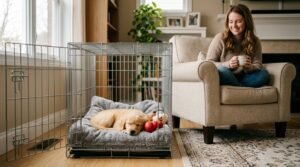
8. Learn to Use a Crate Properly
A properly introduced crate can be useful for potty training because puppies generally prefer not to soil their sleeping area.
However, a crate should never be used as punishment.How to Potty Train a Puppy Fast Easy Steps for Success
Make the crate comfortable and positive by introducing it gradually. Provide suitable bedding and safe items as appropriate for your puppy.
Never expect a young puppy to remain in a crate for an unreasonable amount of time simply to avoid an accident.
The puppy still needs regular bathroom breaks.
9. Clean Accidents Thoroughly
Accidents are part of puppy training.How to Potty Train a Puppy Fast Easy Steps for Success
When an accident happens, clean the area thoroughly. Dogs may return to places that still smell like previous urine or feces.
An appropriate enzymatic cleaner can help remove lingering odors.
Avoid punishing your puppy after discovering an old accident. The puppy will not understand why it is being punished for something that happened earlier.
10. Never Rub Your Puppy’s Nose in an Accident
This outdated method does not effectively teach a puppy where to potty.
It can create fear and confusion instead of teaching the desired behavior.
If you catch your puppy beginning to have an accident indoors, calmly interrupt it and take it outside.
When it finishes outside, reward the correct behavior.

Build a Feeding Routine
A predictable feeding schedule can make potty training easier because many puppies need to eliminate after eating.
Instead of leaving food available all day, follow a consistent feeding routine appropriate for your puppy.
After meals, give the puppy enough time to digest and then take it outside according to its schedule.
Water should remain available according to your veterinarian’s guidance. Do not restrict water simply to try to prevent accidents.
Potty Training During the Night
Nighttime potty training can be challenging because young puppies may not be able to hold their bladder until morning.
Take your puppy outside shortly before bedtime.How to Potty Train a Puppy Fast Easy Steps for Success
Very young puppies may also need one or more nighttime bathroom trips depending on their age and individual needs.
Keep nighttime potty trips boring and calm. Use minimal stimulation, allow the puppy to relieve itself, and return to bed.
As bladder control improves, nighttime trips can gradually become less frequent.
What About Puppy Pads?
Puppy pads can be useful in some situations, particularly when immediate outdoor access is difficult.
They can provide an indoor bathroom option during early training.
However, if your long-term goal is for your puppy to potty exclusively outdoors, using pads may require an additional transition later.
Choose the method that fits your home, schedule, location, and puppy’s needs.
How Long Does Potty Training Take?
There is no universal timeline for potty training.How to Potty Train a Puppy Fast Easy Steps for Success
Some puppies become reliable relatively quickly, while others need several weeks or months of consistent practice.
Factors that influence progress include:
- Puppy age
- Breed and size
- Previous training
- Daily routine
- Supervision
- Access to an outdoor area
- Individual temperament
- Consistency of the household
Instead of focusing only on speed, focus on steady improvement.
Common Potty Training Mistakes
Giving Too Much Freedom Too Soon
If a puppy has access to the entire house before it is reliably trained, accidents become more likely.
Gradually increase freedom as your puppy demonstrates better control.
Ignoring Small Signals
Some puppies give very subtle signs before needing to go. If you ignore these signals repeatedly, accidents can happen.
Pay close attention during the first few weeks.
Inconsistent Rules
Everyone in the household should follow the same potty-training routine.
If one person rewards outdoor potty behavior while another ignores it, learning may take longer.
Punishing Accidents
Punishment does not teach a puppy where it should go.
Focus on prevention, redirection, and rewarding successful potty trips.
A Simple Puppy Potty Training Routine
A basic daily routine might look like this:
Morning
Take your puppy outside immediately after waking.
Praise and reward successful potty behavior.
After Breakfast
Give the puppy some time after eating, then take it outside again.
During Play
Watch carefully because excitement and activity can increase the need to eliminate.
Take regular breaks for potty trips.

After Naps
Carry or guide the puppy directly outside after waking from a nap.
Evening
Continue the regular schedule and take the puppy outside before bedtime.
The exact timing should be adjusted according to your puppy’s age and individual needs.
What If Your Puppy Keeps Having Accidents?
Occasional accidents do not necessarily mean that training is failing.
Review the routine and ask yourself:
- Are potty trips frequent enough?
- Is the puppy being supervised?
- Are you missing its signals?
- Is the puppy given too much freedom?
- Are rewards being given immediately after successful potty trips?
- Is the cleaning removing the odor completely?
If accidents suddenly increase after your puppy had been reliably trained, consider contacting a veterinarian. Urinary or digestive problems can sometimes cause changes in bathroom habits.
When Should You Contact a Veterinarian?
If your puppy is repeatedly struggling to urinate, appears painful, has blood in the urine or stool, develops persistent diarrhea, or suddenly changes its bathroom behavior, veterinary advice is appropriate.
A sudden regression in a previously well-trained puppy may also deserve attention.
Health problems should not automatically be mistaken for a training issue.
Frequently Asked Questions
What is the fastest way to potty train a puppy?
The fastest practical approach is consistent supervision, frequent outdoor trips, a predictable routine, and immediate rewards for successful potty behavior.
How often should I take my puppy outside?
Young puppies generally need frequent opportunities to eliminate, especially after waking, eating, drinking, playing, and sleeping. The exact frequency depends on age and individual needs.How to Potty Train a Puppy Fast Easy Steps for Success
Should I punish my puppy for accidents?
No. Punishment can create fear and does not clearly teach the puppy where it should go. Clean the area and focus on preventing future accidents.
Can a crate help with potty training?
A properly introduced crate can support potty training because puppies generally prefer to keep their sleeping area clean. However, it must be used responsibly and never as punishment.
Should I use puppy pads?
Puppy pads can be useful when outdoor access is difficult, but they may add another step if your ultimate goal is outdoor-only potty training.
Final Thoughts
Learning how to potty train a puppy fast is mostly about consistency rather than rushing the puppy.
Create a predictable schedule, take your puppy outside frequently, learn its potty signals, use a designated bathroom area, and reward successful trips immediately. Supervision is equally important because preventing accidents gives your puppy more opportunities to practice the correct behaviorHow to Potty Train a Puppy Fast Easy Steps for Success
Most importantly, remain patient. Puppies develop bladder control at different rates, and occasional accidents are a normal part of the learning process.
With a consistent routine, positive reinforcement, and careful supervision, your puppy can gradually develop reliable potty habits and become a much easier companion to manage at home.How to Potty Train a Puppy Fast Easy Steps for Success