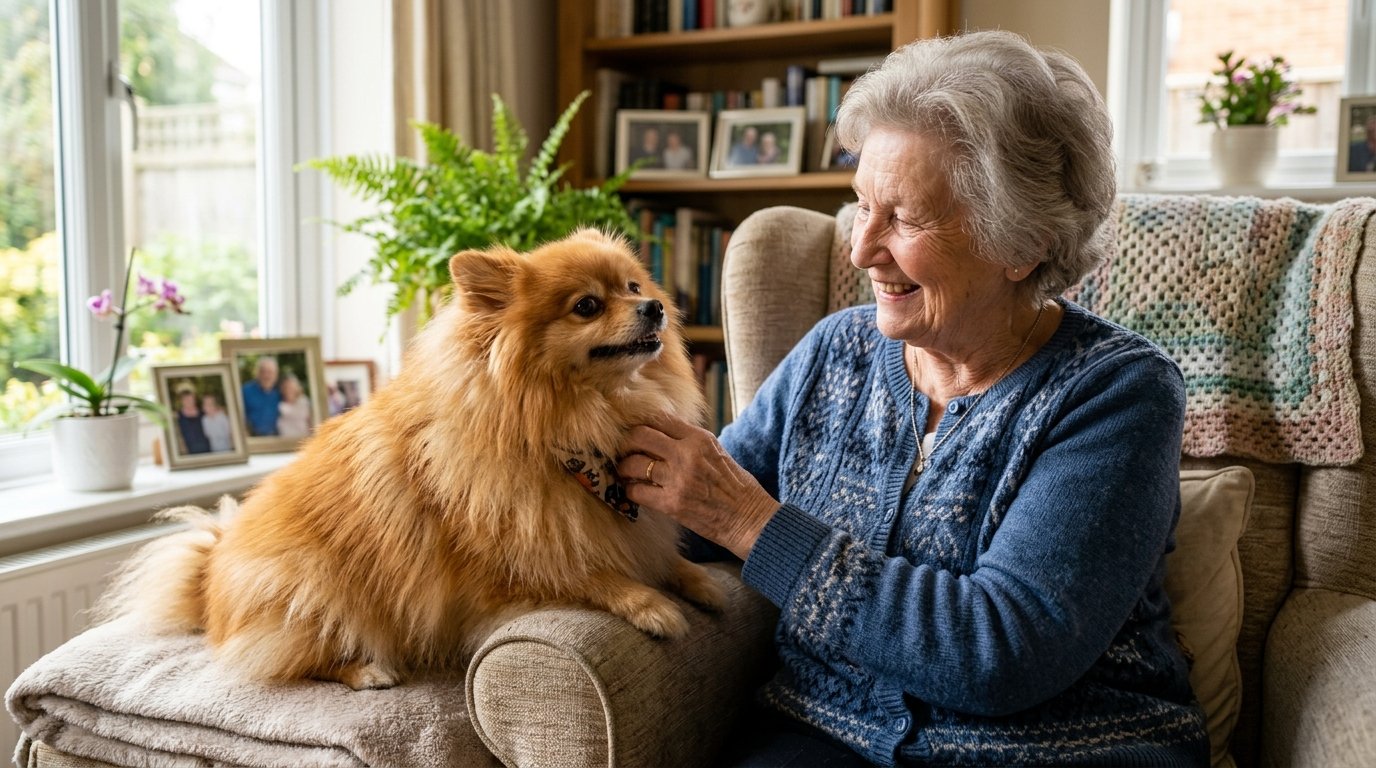
Best Dog Breed for Seniors:
Choosing the best dog breed for seniors is not simply about picking the smallest or calmest dog. The right companion should match an older adult’s lifestyle, energy level, living space, grooming preferences, and ability to provide daily care. A dog can bring companionship, routine, gentle exercise, and plenty of affection, but every breed has different needs.Best Dog Breed for Seniors:
According to the American Kennel Club (AKC), age itself is less important than a person’s lifestyle and physical ability when choosing a dog. Exercise requirements, temperament, grooming, training, size, and financial responsibilities should all be considered before bringing a dog home.
This guide explores some of the best dog breeds for seniors and explains what to look for when choosing a four-legged companion.

What Makes a Dog Breed Good for Seniors?
A senior-friendly dog does not necessarily have to be tiny. In fact, some small breeds can be energetic and demanding, while certain medium-sized dogs may be calm and easy to manageBest Dog Breed for Seniors:
1. Moderate Exercise Needs
A good dog for an older adult should ideally have exercise requirements that fit the owner’s daily routine. Some seniors enjoy long walks, while others prefer short walks and indoor companionship.
A dog whose exercise needs are much higher than the owner’s can become difficult to manage. The AKC recommends considering how much activity you can realistically provide before selecting a breedBest Dog Breed for Seniors:
2. Friendly and Adaptable Temperament
Temperament is another important factor. Dogs that are affectionate, social, and adaptable can make wonderful companions for people who spend considerable time at homeBest Dog Breed for Seniors:
3. Manageable Size
Smaller dogs can sometimes be easier to handle, especially in apartments or homes with limited space. However, size should never be the only deciding factor.Best Dog Breed for Seniors:

4. Reasonable Grooming Requirements
Some breeds require frequent brushing and professional grooming, while others need much less coat maintenance. If grooming is difficult physically or financially, a lower-maintenance breed may be a better choiceBest Dog Breed for Seniors:
Best Dog Breeds for Seniors
There is no single breed that is perfect for every older adult. However, several breeds are commonly considered good choices because of their companionship, adaptability, size, or manageable activity levels.
Cavalier King Charles Spaniel
The Cavalier King Charles Spaniel is an affectionate and adaptable companion. The breed is known for being gentle, trainable, and comfortable around different types of people.Best Dog Breed for Seniors:
Cavaliers can suit seniors who want a dog that enjoys both relaxing at home and going for regular walks. They do require grooming and moderate exercise, so prospective owners should be comfortable with those responsibilities.Best Dog Breed for Seniors:
Best for: Seniors looking for an affectionate, social companionBest Dog Breed for Seniors:
Shih Tzu
The Shih Tzu can be an excellent option for seniors who prefer a smaller house dog. It generally needs relatively little exercise and can adapt well to apartment livingBest Dog Breed for Seniors:
One consideration is grooming. A long Shih Tzu coat requires frequent brushing, but keeping the coat in a shorter style can make everyday maintenance easier.Best Dog Breed for Seniors:
Best for: Seniors who want a small indoor companion.Best Dog Breed for Seniors:
Havanese
The Havanese is another small companion breed worth considering. It is described as cheerful, social, intelligent, and affectionate. Havanese dogs generally do not require extensive exercise and can enjoy shorter walks combined with time spent relaxing with their owners.Best Dog Breed for Seniors:
Their coat does require regular grooming, so this should be included in the ownership plan.
Best for: Seniors who want a cheerful and people-oriented dogBest Dog Breed for Seniors:
Pug
The Pug is a small companion breed known for its affectionate personality and playful nature. Its relatively compact size can make it convenient for many homes.Best Dog Breed for Seniors:
Pugs do shed, so owners should be prepared for regular coat maintenance. Their exercise needs should also be matched carefully to their individual health and ability.
Best for: Seniors who prefer a compact, affectionate companionBest Dog Breed for Seniors:
French Bulldog
The French Bulldog is known for being adaptable, affectionate, and generally comfortable as a companion dog. Its moderate activity level can make it appealing to people who do not want a dog that requires extensive daily exerciseBest Dog Breed for Seniors:
However, individual health and veterinary needs should always be considered before choosing any breed.
Best for: Seniors looking for a compact dog with a generally adaptable personality.
Pomeranian
The Pomeranian is a tiny, intelligent, and lively companion. Despite its small size, it has plenty of personality and can enjoy indoor games and shorter outdoor walks.
Pomeranians have a fluffy coat that requires regular care, so they may be better suited to seniors who are comfortable with grooming or have access to professional grooming services.
Best for: Seniors wanting a tiny dog with an energetic personality.
Coton de Tulear
The Coton de Tulear is a friendly companion breed that enjoys being around people. It can adapt to different environments and enjoys daily walks without necessarily requiring intense exercise.
Its coat needs maintenance, but its social and adaptable nature can make it an appealing choice for seniors who want a close companion.
Best for: Seniors who want a social dog and enjoy daily walks.
Dachshund
The Dachshund comes in different sizes and coat varieties, giving potential owners some flexibility. These dogs often form strong bonds with their owners and can be affectionate companions.
However, their distinctive long-backed body means owners should pay attention to weight management and safe handling. Short walks can provide appropriate daily activity for many Dachshunds.
Best for: Seniors who want a small dog with a strong personality.
Italian Greyhound
The Italian Greyhound is a small, affectionate breed that often enjoys spending time close to its owner. Its short coat also means relatively little grooming compared with many long-coated breeds.
Although small, Italian Greyhounds still need regular exercise and should be handled thoughtfully because of their slender build.
Best for: Active seniors who want a small, affectionate dog.

Should Seniors Choose a Puppy or an Adult Dog?
A puppy may be adorable, but raising one requires considerable time, patience, training, and supervision. House training, socialization, basic obedience, and frequent attention can be demanding.
For some seniors, an adult dog may be a better choice. An adult dog may already be house-trained and accustomed to walking on a leash. The AKC also notes that adopting an adult or rescue dog can be an attractive option for people who do not want to go through the intensive puppy stage.
Benefits of an Adult Dog
- Often easier to assess for temperament
- May already understand basic household routines
- Can require less intensive training than a young puppy
- Energy level may be easier to predict
- Can provide companionship without the full puppy stage
How to Choose the Right Dog for Your Lifestyle
Before choosing a breed, think about your everyday routine rather than choosing based only on appearance.
Consider Your Activity Level
Ask yourself whether you enjoy daily walks, prefer short strolls, or mostly want a companion at home. A dog should have an exercise requirement that you can comfortably meet.
Consider Your Home
Apartment living, a small house, and a large property can all work for different breeds. What matters is whether the dog’s needs can be met in that environment.

Consider Grooming
Long-haired breeds can require brushing and professional grooming. Short-haired dogs may be easier to maintain, although every dog still needs basic coat, nail, ear, and dental care.
Consider Training Experience
Some breeds are eager to please and relatively easy to train, while others can be more independent or stubborn. First-time owners may prefer a dog with a temperament that matches their training experience.
Consider Future Care
Dog ownership is a long-term commitment. Food, veterinary visits, grooming, medications when needed, toys, training, and emergency expenses can all contribute to the total cost of ownership.
Are Small Dogs Always Better for Seniors?
Not necessarily.
Small dogs can be easier to carry and may fit comfortably into smaller homes, but some small breeds have high energy levels or demanding grooming requirements. Meanwhile, certain medium-sized dogs can be calm, affectionate, and manageable.
The most important question is not “How small is the dog?” but “Does this dog’s personality and care requirement fit my lifestyle?”
Why an Adult Rescue Dog Can Be a Great Choice
Breed is only one part of the decision. An adult rescue dog can sometimes be an excellent companion because shelters and rescue organizations may be able to provide information about the dog’s personality, energy level, and behavior.
For a senior who wants a calmer companion, meeting several adult dogs can make it easier to find one whose personality naturally fits the household.
Final Thoughts on the Best Dog Breed for Seniors
The best dog breed for seniors is ultimately the one that fits the owner’s lifestyle, home, energy level, experience, and ability to provide lifelong care. Cavalier King Charles Spaniels, Shih Tzus, Havanese, Pugs, French Bulldogs, Pomeranians, Coton de Tulears, Dachshunds, and Italian Greyhounds are among the breeds that may suit different senior lifestyles, but each has its own requirements.
Before making a decision, consider exercise, grooming, temperament, size, training, veterinary expenses, and long-term care. It is also worth meeting individual dogs rather than judging an entire breed by appearance alone.
A well-matched dog can become much more than a household pet. With the right choice, a canine companion can bring affection, routine, activity, and companionship into everyday life for many years.