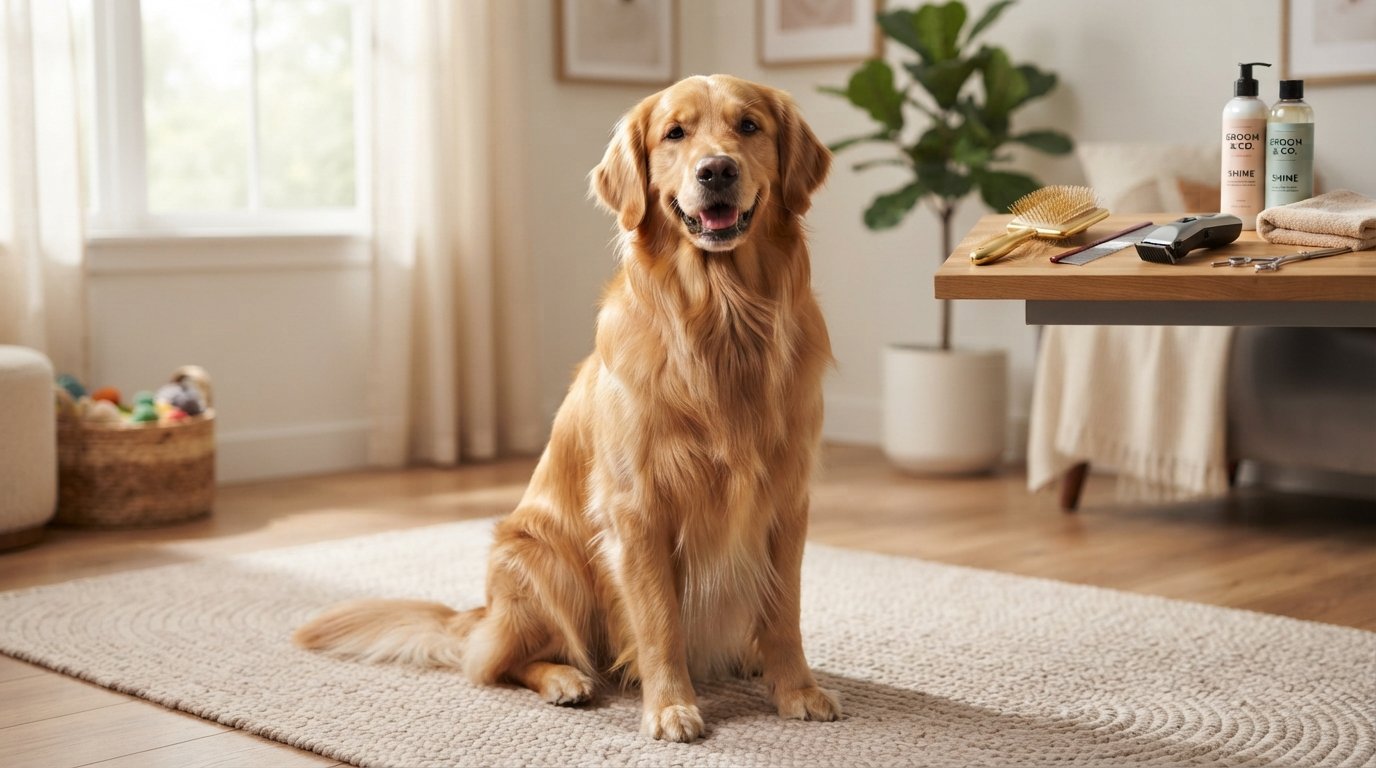
How to Groom a Long-Haired Dog:
Grooming a long-haired dog is an important part of keeping your pet clean, comfortable, and healthy. Dogs with long coats can look beautiful, but their hair can also become tangled, matted, dirty, or difficult to manage without regular care. Learning how to groom a long-haired dog at home can make grooming easier and help you notice potential skin or coat problems early.
Whether you have a Golden Retriever, Shih Tzu, Yorkshire Terrier, Afghan Hound, Collie, or another long-haired breed, the basic grooming process involves brushing, bathing, drying, trimming, nail care, ear cleaning, and regular coat maintenance.How to Groom a Long-Haired Dog:
This guide explains how to groom a long-haired dog safely and effectively.

Why Regular Grooming Is Important for Long-Haired Dogs
Long-haired dogs generally need more grooming than short-haired breeds because their coats can collect dirt and develop knots more easily. Regular grooming removes loose hair, dirt, and debris while helping prevent painful mats.How to Groom a Long-Haired Dog:
Grooming can also help you check your dog’s skin for unusual bumps, redness, irritation, parasites, or other changes. In addition, brushing distributes natural oils throughout the coat, which can help keep the fur looking healthy.
A consistent grooming routine can also make bathing and brushing less stressful because your dog becomes familiar with the process.

What You Need to Groom a Long-Haired Dog
Before learning how to groom a long-haired dog, gather the appropriate grooming tools. Using the right equipment makes the process safer and easier.How to Groom a Long-Haired Dog:
Useful grooming supplies include:
- Slicker brush
- Wide-toothed comb
- Dog shampoo
- Dog conditioner, if appropriate
- Dog-safe detangling spray
- Absorbent towels
- Dog dryer or hair dryer designed for pets
- Nail clippers or a dog nail grinder
- Ear-cleaning solution recommended for dogs
- Grooming scissors
- Clippers, if you know how to use them safely
The exact tools depend on your dog’s coat type. A professional groomer or veterinarian can help you choose suitable equipment for a particular breed.

Step 1: Choose a Calm Grooming Area
Start grooming in a quiet, comfortable location. Your dog should have enough space to stand or sit without feeling trapped.
Place a non-slip mat underneath your dog if you’re grooming on a smooth floor. This can help provide better stability.
Keep treats nearby and use calm encouragement throughout the session. If your dog becomes frightened or highly stressed, take a break rather than forcing the grooming process.How to Groom a Long-Haired Dog: How to Groom a Long-Haired Dog:

Step 2: Brush the Coat Thoroughly
Brushing is one of the most important parts of grooming a long-haired dog.How to Groom a Long-Haired Dog:
Begin gently at the ends of the hair and gradually work toward the roots. This approach can help prevent pulling on the skin.
Use a slicker brush to remove loose hair and small tangles. After brushing, use a wide-toothed comb to check whether any knots remain.
Pay particular attention to areas where mats commonly develop, including:
- Behind the ears
- Under the legs
- Around the neck
- Behind the tail
- Around the collar or harness
- Between the toes
Never aggressively pull through a tight mat. Pulling can hurt your dog and may damage the skin.
If a mat is large, tight, or close to the skin, professional grooming may be the safest option.How to Groom a Long-Haired Dog:
Step 3: Deal With Tangles Carefully
Small tangles can sometimes be loosened with a dog-safe detangling product and a suitable comb.
Hold the hair near the skin while gently working through the tangle. This reduces the amount of pulling your dog feels.
Avoid using household products that are not designed for dogs. Some human hair products contain ingredients that may irritate canine skin.
For severe matting, avoid trying to cut directly through the mat with scissors. A professional groomer can safely assess the coat and remove difficult matsHow to Groom a Long-Haired Dog: .

Step 4: Bathe Your Long-Haired Dog
Once the coat has been brushed and tangles have been addressed, you can prepare for a bath.
Use lukewarm water and a shampoo formulated specifically for dogs. Human shampoo is not generally appropriate because dogs have different skin needs.
Wet the coat thoroughly, avoiding direct water pressure around the eyes and ears. Apply the dog shampoo and gently massage it through the coat.
Pay attention to areas that become particularly dirty, such as the paws and underside of the body.
Rinse extremely well. Shampoo left behind in the coat can cause skin irritation.
If your veterinarian or groomer recommends a suitable dog conditioner, you can use it according to the product instructions.
Step 5: Dry the Coat Properly
Drying is especially important for long-haired dogs because thick coats can retain moisture.
Start by gently squeezing excess water from the coat. Avoid vigorous rubbing because it can How to Groom a Long-Haired Dog: create additional tangles.
Use towels to absorb moisture, then allow your dog to dry in a warm, comfortable environment.
A pet-safe dryer can help dry a long coat more efficiently. Keep the airflow comfortable and avoid excessive heat.How to Groom a Long-Haired Dog:
While drying, gently brush the coat in sections. This can help prevent the hair from drying into knots.
Never leave your dog uncomfortable with excessive heat from a dryer.
Step 6: Trim the Coat When Necessary
Not every long-haired dog needs a major haircut. Many breeds have coats that are best maintained through regular brushing and appropriate professional trimming.
You may carefully tidy areas such as excess hair around the paws if you have experience and the dog remains calm.
However, be very cautious when using scissors or clippers around sensitive areas. The skin of dogs can move unexpectedly, increasing the risk of accidental injury.
If your dog needs a significant haircut, breed-specific styling, or removal of severe mats, consider using a professional groomer.
Step 7: Trim Your Dog’s Nails
Long nails can become uncomfortable and may affect the way a dog walks.How to Groom a Long-Haired Dog:
Use nail clippers or a grinder designed for dogs. Trim small amounts at a time and avoid cutting into the quick, which contains blood vessels and nerves.
If your dog’s nails are dark and you’re unsure where the quick is, ask a veterinarian or professional groomer to demonstrate the proper technique.
Regular small trims are often easier than allowing the nails to become excessively long.
Step 8: Clean the Ears Carefully
Long-haired dogs can sometimes have hair around or inside the ears that contributes to moisture and debris accumulation.
Inspect the ears regularly for unusual redness, swelling, discharge, odor, or signs of discomfort.
Use only a dog-safe ear-cleaning product recommended for your dog’s needs. Apply it according to the product directions and gently wipe away accessible debris.
Do not push cotton swabs deep into the ear canal. If your dog has persistent ear problems, seek veterinary advice instead of trying to treat the problem through grooming alone.
Step 9: Take Care of the Face and Eyes
Long facial hair may collect food, dirt, or moisture.
Gently wipe the area around your dog’s eyes with a clean, damp cloth or a product specifically designed for dogs.
Be extremely careful when trimming hair around the face. A sudden movement can cause an injury.
If you notice persistent eye discharge, redness, swelling, cloudiness, or discomfort, contact a veterinarian.How to Groom a Long-Haired Dog:
How Often Should You Groom a Long-Haired Dog?
The ideal grooming schedule depends on your dog’s breed, coat type, lifestyle, and individual needs.
Many long-haired dogs benefit from brushing several times per week, while dogs with coats that mat easily may require daily brushing.
Bathing does not necessarily need to happen every few days. Excessive bathing can potentially dry or irritate the skin. Instead, follow a grooming schedule appropriate for your dog’s coat and lifestyleHow to Groom a Long-Haired Dog: .
Nails should be checked regularly, and ears should be inspected as part of routine care.
Professional grooming may be needed every few weeks or months depending on the breed and desired coat style.
How to Prevent Mats in Long Hair
Preventing mats is much easier than removing them after they become severe.
Brush the entire coat rather than only brushing the visible top layer. Work in sections so that you reach the hair closer to the skin.
Pay extra attention after outdoor activities. Leaves, burrs, dirt, and other debris can become trapped in long fur.
Check areas around collars, harnesses, ears, legs, and tails regularly.
If your dog frequently develops mats despite regular brushing, ask a professional groomer about a suitable haircut or maintenance routine.How to Groom a Long-Haired Dog: How to Groom a Long-Haired Dog:
Common Grooming Mistakes to Avoid
When learning how to groom a long-haired dog, avoiding common mistakes is just as important as learning the correct techniques.
One mistake is brushing only the surface of the coat. Mats can develop underneath the outer layer where they are difficult to see.
Another mistake is bathing a heavily tangled coat before brushing it. Water can make some tangles more difficult to manage.
Using human shampoo is another common problem. Choose products specifically formulated for dogs.
You should also avoid cutting mats close to the skin with scissors. It can be difficult to tell where the mat ends and the skin begins.
Finally, don’t rush the grooming session. Short, calm sessions can be easier for a dog than one long and stressful grooming appointment.
When Should You Visit a Professional Groomer?
Home grooming is useful for regular maintenance, but professional help can be valuable for complicated coats.
Consider professional grooming if your dog has severe matting, needs a breed-specific haircut, becomes extremely anxious during grooming, or you are uncomfortable using clippers or scissors.
A professional groomer can also show you brushing techniques that are appropriate for your dog’s specific coat.
If you notice skin irritation, unusual lumps, persistent itching, parasites, wounds, or other health concerns during grooming, contact your veterinarian.How to Groom a Long-Haired Dog:
Final Thoughts
Learning how to groom a long-hai

red dog can make everyday pet care easier and help keep your dog’s coat clean and manageable. Regular brushing, appropriate bathing, careful drying, nail maintenance, ear care, and occasional trimming are all important parts of a good grooming routine.How to Groom a Long-Haired Dog:
The key is consistency. Instead of waiting until your dog’s coat becomes severely tangled, establish a simple grooming routine and make it a positive experience.
Remember that every dog is different. Breed, coat texture, age, activity level, and individual temperament can all affect grooming needs. When you’re unsure about a grooming technique—especially trimming around sensitive areas or removing severe mats—professional guidance is the safest choice.
With patience, the right tools, and regular maintenance, grooming can become a comfortable part of your dog’s routine while helping you keep a closer eye on their overall well-beingHow to Groom a Long-Haired Dog: .