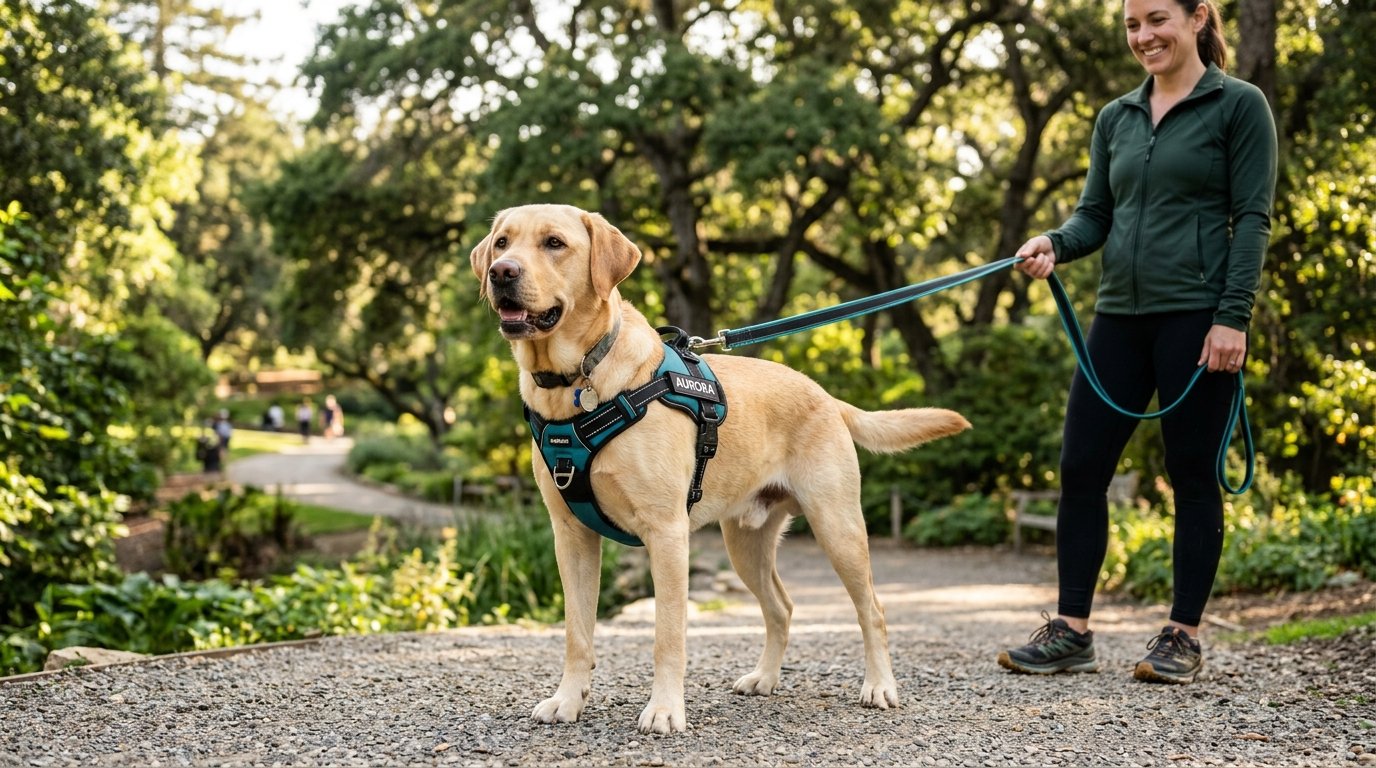
Best Dog Harness for Pulling: A Complete Guide
Meta Title
Best Dog Harness for Pulling: Complete Guide for Dog Owners
Meta Description
Discover the best dog harness for pulling and learn how to choose the right fit, no-pull features, materials, comfort, safety, and training options for strong dogs.
Best Dog Harness for Pulling: What Dog Owners Need to Know
Introduction
Best Dog Harness for Pulling: A Complete Guide76!Walking a dog that pulls constantly can turn an enjoyable outing into a frustrating experience. Strong dogs can put considerable pressure on a traditional collar or poorly designed harness, making walks uncomfortable for both the dog and the person holding the leash. Best Dog Harness for Pulling: A Complete Guide76
Choosing the best dog harness for pulling can make a significant difference. A well-designed harness distributes leash pressure across the dog’s body instead of concentrating it around the neck. Some harnesses also include front attachment points that can help give owners better control when a dog tries to move ahead. Best Dog Harness for Pulling: A Complete Guide76
However, a harness is not a magic solution for pulling. The right equipment works best when combined with consistent, reward-based leash training. Best Dog Harness for Pulling: A Complete Guide76
This guide explains what to look for in a pulling harness, how different designs work, how to choose the right size, and how to use a harness safely. Best Dog Harness for Pulling: A Complete Guide76
Why Use a Harness for a Dog That Pulls?
A harness can provide more control over a strong dog while reducing reliance on pressure around the neck.
Better Control During Walks
A properly fitted harness gives you a secure point for attaching a leash. This can make it easier to guide a dog when it becomes distracted or tries to move in another direction.
Front and Back Attachment Points
Some harnesses have both front and back leash attachment points.
A front attachment can help redirect a dog toward the handler when the dog moves forward, while a back attachment may be useful for everyday walking. Best Dog Harness for Pulling: A Complete Guide76
What Makes the Best Dog Harness for Pulling?
Not every harness is designed for strong pullers. Several features can make a harness more practical.
No-Pull Design
A no-pull harness is generally designed to provide better control when a dog pulls forward.
Front-Leash Attachment
A front clip changes the direction of leash pressure when the dog pulls. Instead of simply allowing the dog to continue forward, it can help turn the dog back toward the handler.
This should be used alongside training rather than as a replacement for teaching loose-leash walking.
Secure Fit
A harness should fit securely without being excessively tight.
Avoid Loose Harnesses
A harness that is too loose may allow a determined dog to back out of it.
Avoid Excessive Tightness
A harness that is too tight can cause discomfort and rubbing.
The goal is a secure fit that allows normal movement without slipping or restricting the dog. Best Dog Harness for Pulling: A Complete Guide76
Types of Dog Harnesses for Pulling
Different harness designs can work for different dogs and walking styles.
Front-Clip Harness
Front-clip harnesses have a leash attachment point near the dog’s chest.
Benefits of Front-Clip Harnesses
They can provide better directional control and may help discourage forward pulling when combined with proper training.
Best For
Front-clip designs may be useful for dogs that frequently surge forward during walks. Best Dog Harness for Pulling: A Complete Guide76
Back-Clip Harness
Back-clip harnesses have the leash attachment point on the dog’s back.
Benefits of Back-Clip Harnesses
They are often simple to put on and can be comfortable for everyday walking.
However, a back clip alone may provide less directional control for a dog that pulls strongly.
Best For
They may work well for dogs that already have relatively good leash manners. Best Dog Harness for Pulling: A Complete Guide76
Dual-Clip Harness
A dual-clip harness provides both front and back attachment points.
Why Dual Clips Can Be Useful
Having two attachment options allows owners to adjust the setup according to the situation.
For example, the back clip may be convenient for relaxed walks, while the front clip may offer additional control during training. Best Dog Harness for Pulling: A Complete Guide76
How to Choose the Right Harness Size
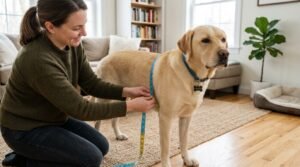
Size is one of the most important factors when selecting a dog harness.
Measure Your Dog’s Chest
Most harness manufacturers recommend measuring around the widest part of the dog’s chest.
Measure the Neck and Chest
Depending on the harness design, you may also need neck measurements.
Always compare your dog’s measurements with the manufacturer’s sizing chart rather than choosing a size based only on breed or weight. Best Dog Harness for Pulling: A Complete Guide76
Important Features to Look For
Adjustable Straps
Multiple adjustment points can help create a more customized fit.
Why Adjustability Matters
Dogs have different body shapes even when they are similar in size. Adjustable straps can help the harness sit correctly on the body.
Durable Materials
A strong dog may put significant force on the harness.
Look for durable materials and reinforced stitching.
Strong Hardware
Buckles, rings, and attachment points should feel secure and be appropriate for your dog’s size and strength. Best Dog Harness for Pulling: A Complete Guide76
Comfort Should Always Be a Priority
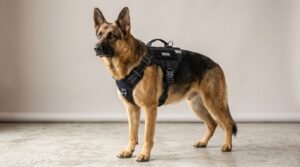
A harness designed for pulling should still be comfortable.
Padded Areas
Padding can reduce rubbing and pressure around sensitive areas.
Check for Chafing
After a walk, inspect areas around the chest, shoulders, and behind the front legs.
Redness, hair loss, or irritated skin can indicate that the harness needs adjustment or may not be the right design for your dog. Best Dog Harness for Pulling: A Complete Guide76
Best Harness for Large Dogs That Pull
Large dogs can generate considerable pulling force, making durability and control especially important.
Features for Strong Dogs
Look for:
- Reinforced construction
- Secure buckles
- Strong leash attachment points
- Multiple adjustment points
- Comfortable padding
- Proper chest support
Focus on Fit, Not Just Strength
A heavy-duty harness is not automatically a good harness.
Even a very strong harness can cause problems if it does not fit your dog’s body correctly. Best Dog Harness for Pulling: A Complete Guide76
Best Harness for Medium Dogs That Pull
Medium-sized dogs can also pull strongly, particularly energetic breeds.
What to Consider
Choose a harness that balances:
- Control
- Comfort
- Weight
- Adjustability
- Durability
A bulky harness may be unnecessary for some medium-sized dogs, while lightweight materials may be insufficient for particularly powerful pullers. Best Dog Harness for Pulling: A Complete Guide76
Best Harness for Small Dogs That Pull
Small dogs still need a properly fitted harness.
Lightweight Construction
A lightweight harness may be more comfortable for smaller dogs.
Avoid Oversized Hardware
Large buckles and heavy attachment points can add unnecessary weight.
The harness should be strong enough for the dog but not excessively bulky. Best Dog Harness for Pulling: A Complete Guide76
Harness vs. Collar for Dogs That Pull
Many owners wonder whether a harness or collar is better for a strong puller.
Harness Advantages
A harness distributes leash forces across a larger area of the body and can provide more control during walks.
Collar Advantages
Collars are useful for identification tags and can be appropriate for dogs that walk calmly.
A Practical Approach
Some owners use a properly fitted harness for leash walking while keeping a collar for identification.
The appropriate setup depends on the individual dog and guidance from a qualified veterinarian or trainer when needed. Best Dog Harness for Pulling: A Complete Guide76
How to Stop Your Dog From Pulling
The best harness can help with management, but training is still important.
Reward Loose-Leash Walking
Reward your dog when the leash remains loose.
Use Positive Reinforcement
When your dog walks beside you without pulling, reward the behavior with praise, treats, or another appropriate reward.
Over time, the dog can learn that staying near you leads to positive outcomes. Best Dog Harness for Pulling: A Complete Guide76
Change Direction When Pulling Starts
If your dog suddenly pulls ahead, calmly change direction instead of allowing the dog to drag you forward.
Keep Training Sessions Short
Short, consistent sessions can be easier for dogs to understand than long sessions filled with frustration. Best Dog Harness for Pulling: A Complete Guide76
Common Mistakes When Using a Pulling Harness
Choosing the Wrong Size
A harness that is too loose or too tight can reduce comfort and effectiveness.
Using the Harness Without Training
Equipment can assist with management, but dogs still need to learn appropriate walking behavior.
Ignoring Signs of Discomfort
Check your dog’s skin and movement after walks.
Using Excessive Leash Force
Avoid relying on harsh pulling or sudden corrections.
Allow Time for Adjustment
Some dogs need time to become comfortable wearing a new harness.
Introduce it gradually and use positive reinforcement. Best Dog Harness for Pulling: A Complete Guide76
How to Introduce a New Harness
Step 1: Let Your Dog Smell It
Allow your dog to investigate the harness before putting it on.
Step 2: Put It on Briefly
Start with short periods indoors.
Step 3: Reward Calm Behavior
Offer praise or an appropriate treat when your dog remains relaxed.
Step 4: Take a Short Walk
Once your dog appears comfortable, try a brief walk.
Gradually Increase Walking Time
Increase the duration as your dog becomes familiar with the harness. Best Dog Harness for Pulling: A Complete Guide76
How to Maintain a Dog Harness
Regular maintenance can help extend the life of a harness.
Clean It Regularly
Follow the manufacturer’s washing instructions.
Remove Dirt and Hair
Dirt and hair can collect around straps and buckles.
Inspect It Before Walks
Look for:
- Frayed stitching
- Cracked buckles
- Damaged straps
- Worn attachment rings
Replace Damaged Equipment
If a harness shows significant damage, replace it rather than risking failure during a walk. Best Dog Harness for Pulling: A Complete Guide76
Safety Tips for Dogs That Pull
Check the Harness Before Every Walk
Make sure all buckles and attachment points are secure.
Keep the Leash Appropriate
Choose a leash that matches your dog’s size and walking environment.
Avoid Sudden Hard Corrections
Strong leash jerks can create discomfort and may make walking problems worse.
Consider Professional Training
If your dog pulls intensely, lunges, or is difficult to control, a qualified positive-reinforcement trainer can help develop a safer walking plan. Best Dog Harness for Pulling: A Complete Guide76
Frequently Asked Questions
What Is the Best Dog Harness for Pulling?
The best harness depends on your dog’s size, body shape, strength, and walking behavior. A properly fitted front-clip or dual-clip harness can provide useful control for many dogs that pull.
Does a No-Pull Harness Stop Pulling Completely?
Not necessarily. A no-pull harness can help manage pulling, but consistent training is usually needed to teach a dog to walk on a loose leash.
Is a Front-Clip Harness Better for Pullers?
A front attachment can provide directional control when a dog moves forward. Whether it works well depends on the individual dog’s behavior and the harness design.
How Tight Should a Dog Harness Be?
It should be secure without restricting normal movement. Follow the manufacturer’s fitting instructions and check that the harness does not rub or slip.
Can Puppies Use No-Pull Harnesses?
Some puppies can wear appropriately sized harnesses, but the design should allow natural movement and growth. Puppies also benefit from gentle, positive leash training. Best Dog Harness for Pulling: A Complete Guide76
Final Thoughts
Finding the best dog harness for pulling involves more than choosing the strongest-looking product. The ideal harness should provide a secure fit, comfortable movement, durable construction, and appropriate leash attachment options.
For many dogs that pull, a front-clip or dual-clip design can provide useful management during training. However, equipment alone cannot teach good leash manners.
Take accurate measurements, check the manufacturer’s sizing chart, inspect the harness regularly, and introduce it gradually. Most importantly, combine the right harness with consistent, reward-based training.
With the right equipment and patience, walks can become safer, calmer, and more enjoyable for both you and your dog.