Animals That Live in the Forest
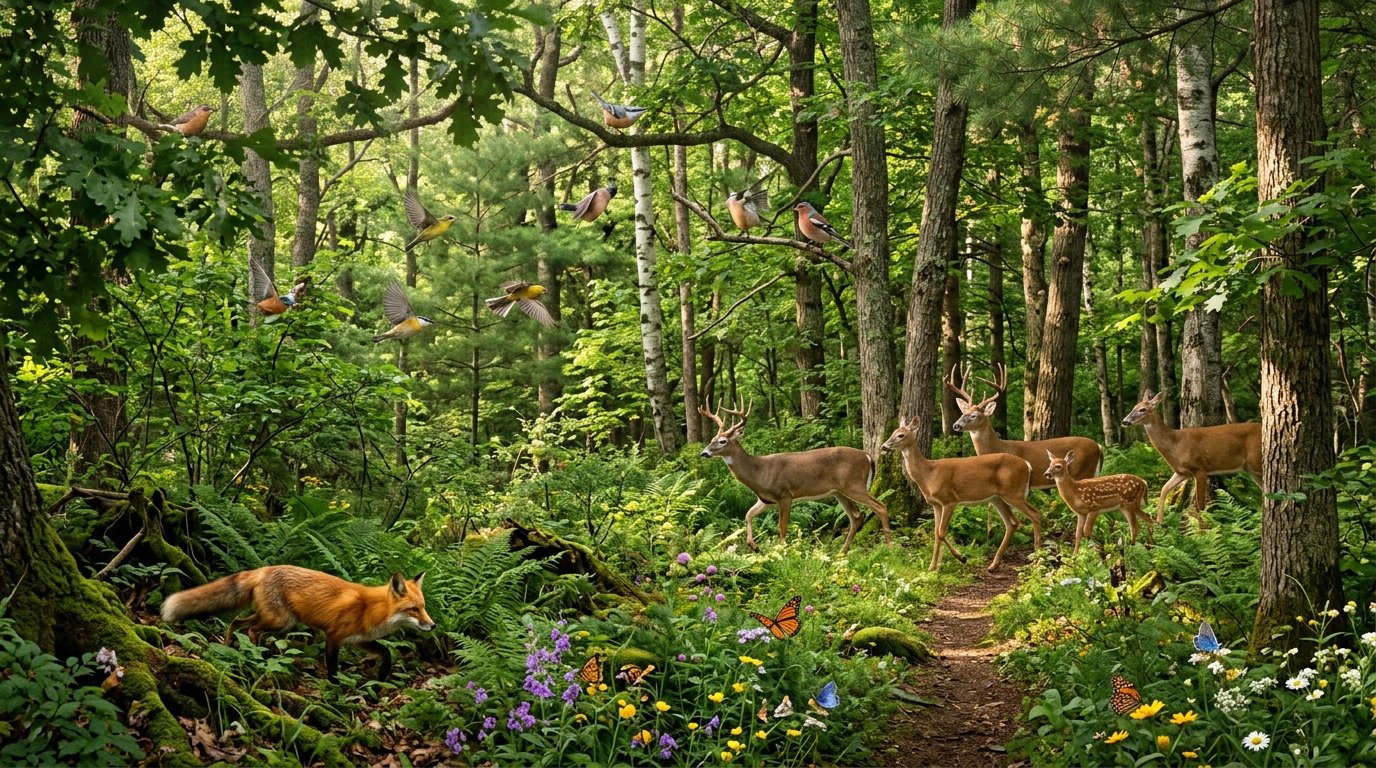
Animals That Live in the Forest! Forests are among the most important natural environments on Earth. They provide food, shelter, water, and safe places for countless species. From tiny insects living beneath fallen leaves to large mammals moving through dense vegetation, forests support an enormous variety of wildlife.
When we talk about animals that live in the forest, we are not referring to only large and familiar mammals. Forest ecosystems contain birds, reptiles, amphibians, insects, and many other creatures, each playing a role in keeping the environment healthy.Animals That Live in the Forest
Different forests support different types of animals. Tropical rainforests, temperate forests, boreal forests, and mountain forests all have unique climates and vegetation. As a result, the wildlife found in each type of forest can vary greatly.Animals That Live in the Forest
Why Do Animals Live in Forests?
Forests provide many of the basic resources animals need to survive.
Food
Trees, plants, fruits, seeds, nuts, insects, and other animals provide different food sources. Some forest animals eat plants, while others depend on insects or other animals.
Shelter
Trees, hollow trunks, thick bushes, underground spaces, and natural cavities provide places where animals can hide and rest.
Protection
Dense vegetation can help animals avoid predators and protect themselves from harsh weather conditions.
Water
Streams, ponds, rainfall, and small pools provide drinking water and support the wider forest ecosystem.
Mammals That Live in Forests
Mammals are among the most noticeable animals found in forest environments. Their sizes, diets, and behaviors vary widely.
Deer
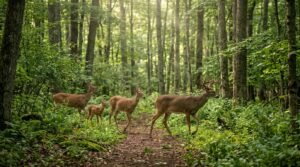
Deer are common in many types of forests. They generally feed on leaves, grasses, plants, buds, and other vegetation.
They often use thick vegetation as cover and may move through forests looking for food and water.
Bears
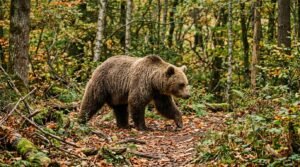
Several bear species depend on forest habitats. Depending on the species and region, their diet may include fruits, nuts, roots, insects, fish, and other available food.
Bears can travel considerable distances through forests while searching for seasonal food.
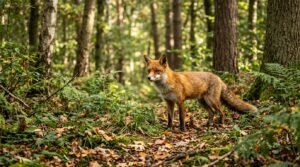
Foxes
Foxes can adapt to a variety of woodland environments. They are generally opportunistic feeders and may eat small mammals, birds, insects, fruits, and other available foodAnimals That Live in the Forest
Their ability to adapt helps them survive in different forest conditions.
Wild BoarsAnimals That Live in the Forest
Wild boars are found in many forest regions around the world. They use their strong snouts to search through soil and leaf litter for roots, insects, bulbs, and other food.
Their feeding behavior can also affect the forest floor by disturbing soil and vegetation.
Birds Found in Forests
Birds are an important part of forest ecosystems. They help spread seeds, control insect populations, and contribute to pollination.
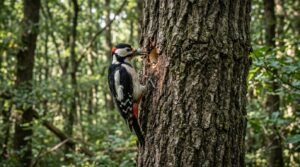
Woodpeckers
Woodpeckers are well adapted to life around trees. They use their strong beaks to search for insects beneath bark and can also create holes in tree trunks.
These holes may later become shelter for other forest animals.Animals That Live in the Forest
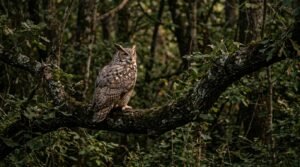
Owls
Owls are important predators in many woodland ecosystems. Many species are active at night and use their excellent hearing and vision to locate prey.
Their diet can include rodents, insects, and other small animals.
Parrots and Other Fruit-Eating Birds
In tropical forests, many colorful birds feed on fruits, seeds, flowers, and nuts.
By eating fruits and moving between different parts of the forest, these birds can help spread seeds.
Reptiles in Forest Habitats
Forests also provide suitable environments for many reptiles.
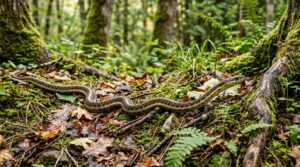
Snakes
Forest snakes occupy a variety of habitats. Some live on the ground, while others spend much of their time in trees.
Their diets vary by species and may include rodents, birds, frogs, insects, or other small animals.
Lizards
Lizards can be found on tree trunks, branches, rocks, and forest floors. Many species eat insects and other small creatures.
Some use camouflage to blend into bark, leaves, or surrounding vegetation.
Turtles
Certain turtles live in forest environments, particularly in areas close to streams, ponds, and other sources of water.
They may feed on plants, fruits, insects, or other available foods depending on their species.
Amphibians in the Forest
Amphibians are particularly important indicators of environmental health because many species are sensitive to changes in temperature, moisture, and water quality.
Frogs
Frogs are common in many moist forests.
They often live near streams, ponds, wet leaves, or other damp areas. Many frogs feed on insects and other small invertebrates.
Salamanders
Salamanders prefer moist environments and are especially common in forests with suitable humidity.
They may hide beneath fallen logs, rocks, leaves, or soil.Animals That Live in the Forest
Insects and Other Small Forest Animals
A forest would not function properly without its smallest inhabitants.
Ants
Ants live in soil, trees, fallen wood, and other areas throughout forests.
They help break down organic material, move soil, and interact with many other organisms.
Butterflies
Butterflies are commonly associated with flowering plants and sunny forest openings.
They contribute to pollination while moving between flowers in search of nectar.
Beetles
Beetles occupy almost every part of a forest ecosystem.
Some feed on plants, while others consume decaying wood, fungi, insects, or organic material.
Spiders
Spiders are important predators in forest environments. They help control populations of insects and other small creatures.
Some build webs between branches, while others hunt directly on the ground or among vegetation.
Animals That Live in Tropical Forests
Tropical forests are especially rich in biodiversity because warm temperatures and high rainfall support abundant plant growth.
Animals found in tropical forests can include:
- Monkeys
- Sloths
- Tree frogs
- Snakes
- Parrots
- Big cats
- Bats
- Insects
- Forest birds
- Various reptiles
Many tropical forest animals have specialized adaptations that allow them to survive in dense vegetation.
Some spend most of their lives in trees, while others remain close to the forest floor.
Animals Found in Temperate Forests
Temperate forests experience more noticeable seasonal changes.
Animals living in these environments need to adapt to changing temperatures and food availability.
Common examples include:
- Deer
- Foxes
- Bears
- Squirrels
- Rabbits
- Owls
- Woodpeckers
- Wild boars
- Various insects
Some animals become less active during colder months, while others change their diet or behavior according to seasonal conditions.
Animals in Boreal Forests
Boreal forests, also known as taiga, are found in colder regions.
The animals living there must cope with long winters and low temperatures.
Examples can include:
- Moose
- Wolves
- Lynx
- Bears
- Foxes
- Snowshoe hares
- Various birds
Many species have thick fur, seasonal adaptations, or behaviors that help them survive cold conditions.
How Forest Animals Adapt to Their Environment
Forest animals have developed remarkable adaptations.
Camouflage
Some animals have body colors and patterns that help them blend into leaves, bark, soil, or shadows.
Camouflage can make it harder for predators to detect prey and can also help predators approach their targets.
Climbing Ability
Animals that live among trees may have strong claws, flexible limbs, gripping feet, or other features that help them move through branches.
Nocturnal Behavior
Some forest animals are active mainly at night.
Being nocturnal can help certain species avoid daytime heat, competition, or predators.
Seasonal Changes
Animals may change their behavior depending on the season.
Some grow thicker coats, change feeding patterns, store food, migrate, or become less active during colder periods.
The Role of Forest Animals in Nature
Every animal contributes to its ecosystem in some way.
Predators help control prey populations. Herbivores influence vegetation growth. Birds and mammals can spread seeds. Insects assist with pollination and decomposition.
Even animals that seem small or insignificant can have an important ecological role.
The forest works as a connected system, meaning that changes affecting one species can sometimes influence many others.
Why Forest Animals Need Protection
Forest habitats around the world face several threats.
Deforestation
When forests are cleared, animals lose food sources, shelter, and breeding areas.
Habitat Fragmentation
Roads, farms, buildings, and other developments can divide large forests into smaller areas. This can make it harder for animals to move between habitats.
Pollution
Plastic, chemicals, contaminated water, and other pollutants can harm wildlife and damage ecosystems.
Climate Change
Changes in temperature and rainfall can affect food availability, breeding seasons, migration patterns, and suitable habitats.
Protecting forests therefore means protecting the many species that depend on them.
How People Can Help Forest Wildlife
Individuals can contribute to wildlife protection in several ways.
Supporting responsible conservation programs, reducing waste, protecting natural areas, planting suitable native vegetation, and avoiding products connected to destructive deforestation can all make a difference.Animals That Live in the Forest
People should also avoid disturbing wild animals. Feeding wildlife, approaching nests, or attempting to keep wild animals as pets can create problems for both animals and people.Animals That Live in the Forest
Respecting natural habitats is one of the simplest ways to support forest ecosystems.
Frequently Asked Questions
What are some common animals that live in forests?
Common forest animals include deer, bears, foxes, squirrels, birds, snakes, frogs, insects, and many other species. The exact animals depend on the type and location of the forest.
Why are forests important to animals?
Forests provide food, shelter, water, breeding areas, and protection from predators and harsh weather.Animals That Live in the Forest
Do all forest animals live in trees?
No. Some animals spend most of their lives in trees, while others live on the forest floor, underground, in water, or inside decaying wood.
What is the largest group of forest animals?
There is no single group that dominates every forest. In terms of species diversity, insects and other invertebrates make up an enormous portion of forest wildlife.
How can forest animals be protected?
Protecting natural forests, reducing habitat destruction, supporting conservation efforts, and preventing pollution can help protect forest wildlife.Animals That Live in the Forest
Final Thoughts
The world of animals that live in the forest is incredibly diverse. From large mammals and birds to tiny insects and amphibians, every creature has a place within the ecosystem.Animals That Live in the Forest
Forests provide animals with essential resources such as food, water, shelter, and breeding habitats. In return, wildlife helps forests remain healthy through pollination, seed dispersal, predation, and decomposition.Animals That Live in the Forest
Protecting forest habitats is therefore essential for wildlife and for the natural balance of our planet. By understanding forest animals and the environments they depend on, we can better appreciate why these ecosystems deserve careful protectionAnimals That Live in the Forest