Best Cat Food for Indoor Cats: A Complete Guide for
Best Cat Food for Indoor Cats: A Complete Guide for CatsChoosing the best cat food for indoor cats is important because indoor cats have different nutritional needs than cats that spend most of their time outdoors. Indoor cats generally exercise less, which means they may gain weight more easily. They can also develop issues such as hairballs, digestive problems, and urinary concerns if their diet does not provide the right balance of nutrients.Best Cat Food for Indoor Cats: A Complete Guide for
The good news is that choosing the right food does not have to be complicated. With a basic understanding of your cat’s age, activity level, ingredients, and nutritional requirements, you can select a diet that supports a healthy and active indoor lifestyle.Best Cat Food for Indoor Cats: A Complete Guide for
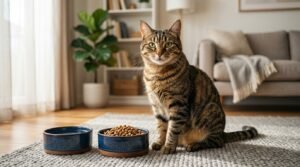
What Makes Indoor Cat Food Different?
Indoor cats usually burn fewer calories than outdoor cats. An outdoor cat may spend hours climbing, exploring, hunting, and running, while an indoor cat may spend much of the day sleeping or relaxing.
Because of this difference, indoor cat food is often designed to provide appropriate calories while still delivering essential nutrients.Best Cat Food for Indoor Cats: A Complete Guide for
A good indoor cat food should generally provide:
- High-quality animal protein
- Appropriate levels of fat
- Essential vitamins and minerals
- Taurine for heart and eye health
- Adequate Best Cat Food for Indoor Cats: A Complete Guide for moisture
- Digestible ingredients
- Balanced calories for weight management
- Nutrients that support healthy skin and coat
However, every cat is different. A food that works well for one indoor cat may not be the best choice for another.

How to Choose the Best Cat Food for Indoor Cats
There are several important factors to consider before choosing food for your cat.

1. Look for High-Quality Protein
Cats are obligate carnivores, meaning their bodies are naturally adapted to obtain important nutrients from animal-based foods.Best Cat Food for Indoor Cats: A Complete Guide for
When choosing cat food, look for identifiable animal protein sources such as chicken, turkey, beef, fish, or other suitable meats near the beginning of the ingredient list.
Protein helps support:
- Strong muscles
- Healthy body tissues
- Normal growth
- Daily energy needs
- Overall body condition
For indoor cats, adequate protein can also help maintain lean muscle while they live a relatively less active lifestyle.
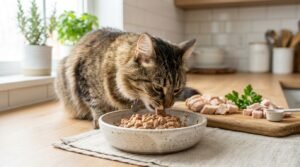
2. Consider Your Cat’s Calorie Needs
Weight management is one of the biggest concerns for indoor cats.
If your cat consumes more calories than it burns, the excess energy can gradually lead to weight gain. Therefore, portion control is just as important as choosing a quality food.
Instead of constantly filling the bowl, measure your cat’s daily food according to the feeding guidance and adjust it based on your veterinarian’s recommendations and your cat’s body condition.Best Cat Food for Indoor Cats: A Complete Guide for

Why Weight Control Matters
Excess body weight can put additional stress on a cat’s joints and may contribute to other health problems. Keeping your indoor cat at a healthy weight can make it easier for them to move, play, groom themselves, and remain comfortable as they age.Best Cat Food for Indoor Cats: A Complete Guide for

Wet Food vs. Dry Food for Indoor Cats
One of the most common questions cat owners ask is whether wet or dry food is better.
The answer depends on your cat’s individual needs.Best Cat Food for Indoor Cats: A Complete Guide for
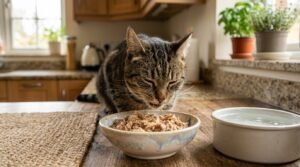
Wet Cat Food
Wet food contains significantly more moisture than dry kibble. This can be useful for cats that do not naturally drink much water.
Potential benefits include:
- Higher moisture content
- Soft texture
- Strong aroma that may encourage eating
- Easy portion control
- Useful option for cats that prefer moist meals
Wet food can be particularly helpful as part of a diet where maintaining adequate hydration is a priority.Best Cat Food for Indoor Cats: A Complete Guide for
Dry Cat Food
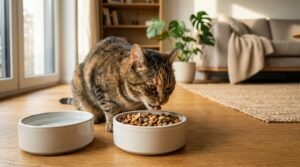
Dry food is convenient, easy to store, and simple to measure.
It can also work well for owners who prefer feeding scheduled meals. Some dry foods are formulated specifically for indoor cats and contain controlled calorie levels.
However, dry food contains much less water than wet food, so fresh drinking water should always be availableBest Cat Food for Indoor Cats: A Complete Guide for
 .
.
Can You Mix Wet and Dry Food?
Yes, many cat owners choose a combination of wet and dry food. A mixed feeding approach can provide the convenience of kibble while adding moisture from wet food.
The important thing is to account for the calories from both foods rather than simply adding wet food on top of the cat’s normal dry-food portion.
Best Ingredients to Look For
Reading the ingredient list can help you understand what you are feeding your cat.
Animal-Based Protein
Ingredients such as chicken, turkey, beef, or fish can provide valuable animal protein and amino acids.
Taurine
Taurine is an essential nutrient for cats. It plays an important role in normal heart and eye function.
A complete and balanced commercial cat food should provide the nutrients cats need in appropriate amounts.Best Cat Food for Indoor Cats: A Complete Guide for
Omega Fatty Acids
Omega fatty acids can support healthy skin and a shiny coat. They may also be useful for maintaining normal skin function.
Fiber
Some indoor-cat formulas contain additional fiber. Fiber can support normal digestion and may help some cats with hairball management.
However, more fiber is not automatically better. The appropriate amount depends on the cat and the overall formulation.
Cat Food for Indoor Cats With Hairballs
Hairballs can be a common concern for indoor cats, particularly cats that spend considerable time grooming themselves.
When cats groom, they can swallow loose hair. Some of that hair passes through the digestive system, while some may accumulate and eventually be vomited as a hairball.
Certain indoor cat foods are formulated with specific fiber blends to help support the movement of swallowed hair through the digestive tract.
Regular brushing can also reduce the amount of loose hair your cat swallows.
Grooming Matters Too
Even the best cat food cannot replace regular grooming. Brushing your cat according to its coat type can help remove loose fur before your cat has an opportunity to swallow it.
Best Cat Food for Indoor Cats by Age
Your cat’s age should also influence your food choice.
Kitten Food
Kittens require more energy and specific nutrients because their bodies are growing rapidly. They generally need food formulated specifically for growth rather than an adult maintenance diet.
Adult Cat Food
Adult indoor cats usually need a balanced maintenance diet that provides appropriate protein, fats, vitamins, minerals, and calories.
If your adult cat is gaining weight, a veterinarian can help determine whether calorie reduction or a different formulation would be appropriate.
Senior Cat Food
Older cats may have changing nutritional needs. Some senior formulas are designed with appropriate calorie levels and nutrients for aging cats.
There is no single senior diet that is perfect for every older cat, so your cat’s health and veterinary recommendations should be considered.
What About Grain-Free Cat Food?
Grain-free cat food has become popular among pet owners, but grain-free does not automatically mean healthier.
Cats can digest properly formulated carbohydrates, and grains are not inherently harmful to every cat.
Instead of choosing food simply because it says “grain-free,” focus on the overall nutritional profile, ingredient quality, calorie content, and whether the food is complete and balanced.
If your cat has a suspected food allergy or intolerance, discuss appropriate dietary options with a veterinarian.
How Much Should an Indoor Cat Eat?
There is no universal portion size for every cat.
The correct amount depends on factors such as:
- Age
- Body weight
- Activity level
- Neutering or spaying status
- Metabolism
- Current body condition
- Type of food
- Existing health conditions
Feeding instructions on the package are a useful starting point, but they should not be treated as a perfect measurement for every individual cat.
Avoid Free-Feeding When Weight Is a Concern
Leaving unlimited food available throughout the day can make it difficult to monitor how many calories your cat consumes.
For cats that tend to overeat, measured meals can make weight management much easier.
Common Mistakes When Choosing Cat Food
Even when owners have good intentions, several mistakes are common.
Choosing Food Only by Price
The cheapest food is not necessarily the best value, and the most expensive food is not automatically the healthiest.
Instead, compare nutritional information, ingredients, calorie density, and whether the food meets established nutritional requirements.
Changing Food Too Quickly
A sudden change in diet may cause digestive upset in some cats.
When switching foods, gradually introduce the new food over several days by mixing increasing amounts of the new diet with the old one.
Ignoring Treat Calories
Treats may look small, but frequent treats can contribute significant extra calories.
Treats should be included in your cat’s overall daily calorie intake.
How to Transition Your Cat to New Food
If you decide to try a new indoor cat food, make the change gradually.
A simple transition might look like this:
Days 1–2: Mostly old food with a small amount of new food.
Days 3–4: Increase the new food while reducing the old food.
Days 5–6: Mostly new food with a small amount of old food.
Day 7: New food only, if your cat is tolerating the transition well.
Some cats need a slower transition, particularly if they have sensitive digestive systems.
Final Thoughts on the Best Cat Food for Indoor Cats
Finding the best cat food for indoor cats is about more than choosing a package labeled “indoor.” The right food should match your cat’s age, activity level, body condition, preferences, and nutritional needs.
Look for a nutritionally complete diet with quality animal protein, appropriate calories, essential nutrients, and ingredients your cat tolerates well. Wet food can help increase moisture intake, while dry food offers convenience and easy portioning. A combination of both can also work for many cats.
Most importantly, monitor your cat’s weight, appetite, digestion, coat, and overall behavior. If your cat suddenly stops eating, loses or gains weight unexpectedly, vomits frequently, or develops other concerning symptoms, speak with a veterinarian rather than changing the diet repeatedly on your own.
A balanced diet, sensible portions, fresh water, regular play, and routine veterinary care can help your indoor cat maintain a healthy weight and enjoy a long, comfortable life.