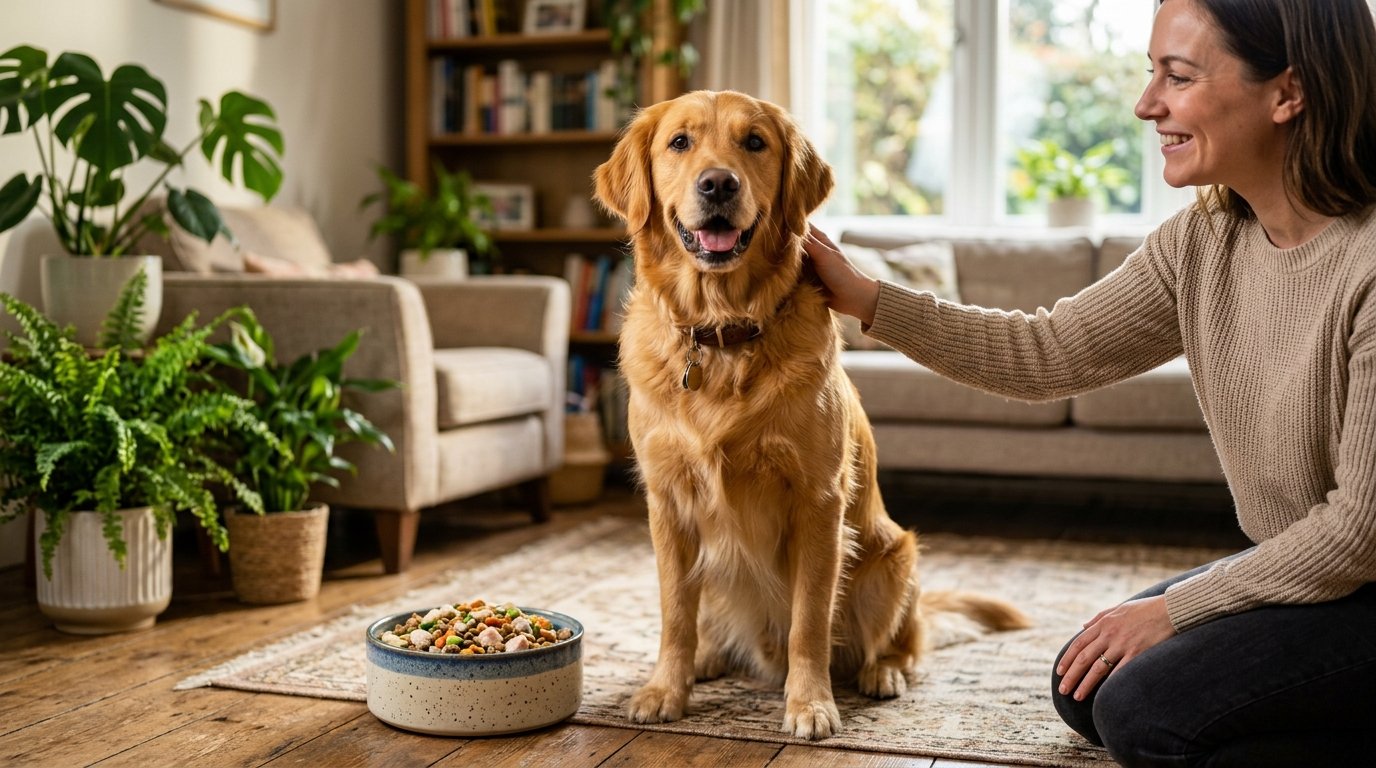
Best Grain Free Dog Food for Allergies
Best Grain Free Dog Food for Allergies!Finding the best grain free dog food for allergies can be confusing, especially . Many pet owners assume that removing grains from a dog’s diet will automatically solve allergy problems. However, food allergies are more complicated than simply avoiding wheat, corn, or rice.Best Grain Free Dog Food for Allergies A Pet Owners
Dogs can develop allergies to many different ingredients, and proteins such as beef, chicken, dairy, and other animal proteins are often more common triggers than grains. Therefore, choosing the right food should be based on your dog’s individual needs rather than the “grain-free” label alone.
This guide explains what to look for in grain-free dog food, when grain-free diets may be useful, which ingredients can cause allergies, an
d how veterinarians typically identify the real food trigger.Best Grain Free Dog Food for Allergies A Pet Owners
What Is Grain-Free Dog Food?
Grain-free dog food is made without traditional cereal grains such as wheat, corn, rice, barley, and oats. Instead, manufacturers may use alternative carbohydrate sources such as potatoes, peas, lentils, chickpeas, tapioca, or other ingredients.
Grain-free does not necessarily mean hypoallergenic. A grain-free food can still contain several protein sources that may trigger an allergic reaction in an individual dog.Best Grain Free Dog Food for Allergies A Pet Owners

Is Grain-Free Food Better for Dogs With Allergies?
Not necessarily.
Food allergies occur when a dog’s immune system reacts to a particular food component, usually a protein. Dogs can react to beef, chicken, dairy, lamb, wheat, soy, eggs, or other ingredients. Grain allergies are possible, but grains are not generally the most common cause of food allergies in dogs.
For this reason, simply switching from regular dog food to a grain-free formula may not solve the problem.
Common Signs of Food Allergies in Dogs
Before choosing a new diet, it is important to recognize the signs that may indicate a food-related reaction.Best Automatic Pet Feeder (2026): The 32
Skin and Coat Symptoms
Common signs include:
- Persistent itching
- Red or irritated skin
- Excessive licking or chewing
- Hair loss caused by scratching
- Recurrent skin infections
- Constant paw licking
- Frequent ear infections
Food allergies can cause significant itching and may affect the skin, ears, and paws.
Digestive Symptoms
Some dogs may also experience:
- Vomiting
- Diarrhea
- Soft stools
- Gas
- Changes in appetite
However, these symptoms can have many causes, so they should not automatically be attributed to a food allergy.
What Should You Look for in the Best Grain Free Dog Food for Allergies?
If your veterinarian recommends a grain-free diet or your dog genuinely needs to avoid a particular grain, focus on the complete nutritional profile rather than the marketing on the front of the package.Best Grain Free Dog Food for Allergies A Pet Owners
1. A Limited Number of Protein Sources
If your dog has a suspected food allergy, a food containing fewer protein sources may make it easier to identify potential triggers.
For example, a diet built around one novel protein may be easier to evaluate than a recipe containing chicken, beef, lamb, fish, and eggs.
Why Protein Matters
Proteins are among the most common dietary allergens in dogs. Common triggers include beef, dairy, chicken, and lamb.
This means that a grain-free recipe containing several common animal proteins may still cause problems for an allergic dog.
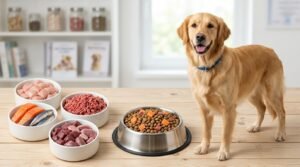
2. Novel Protein Sources
A novel protein is a protein your dog has not previously eaten.
Depending on your dog’s dietary history, a veterinarian may recommend a food containing a protein such as venison, rabbit, or another appropriate source.Best Grain Free Dog Food for Allergies A Pet Owners
The key is not that one protein is universally hypoallergenic. Instead, the protein needs to be genuinely new to your particular dog.
3. Hydrolyzed Protein
Hydrolyzed diets are another option commonly used during food allergy investigations.
In these foods, proteins are broken into smaller components that are less likely to trigger the immune response. Veterinary sources recognize hydrolyzed diets as an option for dogs suspected of having adverse food reactions.Best Grain Free Dog Food for Allergies A Pet Owners
When Is Hydrolyzed Food Useful?
A veterinarian may recommend a hydrolyzed prescription diet when:
- Your dog’s previous diet contains many ingredients.
- It is difficult to identify a novel protein.
- Your dog has already eaten many different proteins.
- Previous elimination diets have failed.
Grain-Free vs. Hypoallergenic Dog Food
These two terms are often confused.
Grain-free means the recipe does not contain traditional grains.
Hypoallergenic generally refers to a diet specifically designed to reduce the likelihood of triggering an adverse food reaction, often using hydrolyzed or carefully selected novel proteins.
Therefore, grain-free and hypoallergenic are not interchangeable terms.
A grain-free food can still contain ingredients your dog is allergic to.
How to Choose a Grain-Free Food for an Allergic Dog
When comparing products, consider the following checklist.
Ingredient Checklist
Look for:
- A clearly identified primary protein
- A limited number of protein sources
- Ingredients appropriate for your dog’s dietary history
- Complete and balanced nutrition
- Appropriate calories for your dog’s age and activity level
- A manufacturer with good quality-control practices
Avoid choosing a product solely because its packaging says “grain-free,” “natural,” or “premium.”
The ingredient list and nutritional adequacy information are more useful when evaluating a diet.

The Importance of an Elimination Diet
If your dog has a suspected food allergy, an elimination diet is one of the most reliable ways to identify the problem.
A typical veterinary food trial uses either a novel-protein diet or a hydrolyzed-protein diet. The dog must eat the trial food exclusively for the recommended period. Veterinary sources commonly describe trials lasting around 8–12 weeks, although the exact plan can vary.Best Grain Free Dog Food for Allergies A Pet Owners
What Can Ruin an Elimination Diet?
Even small amounts of another food can make the trial difficult to interpret.
During a strict elimination trial, owners may need to avoid:
- Regular treats
- Table scraps
- Flavored medications
- Chews
- Supplements containing proteins
- Other pet food
Merck Veterinary Manual notes that all food-based items need to be considered during an elimination trial because accidental exposure can interfere with the results.
Food Challenge After the Trial
If symptoms improve during the elimination diet, your veterinarian may reintroduc recommending the previous food or individual ingredients.
If the symptoms return after a particular ingredient is introduced, that provides stronger evidence that the ingredient is responsible.
This process helps distinguish a genuine food allergy from symptoms that happened to improve for another reason.
Are Grains Actually Bad for Dogs?
For most dogs, grains are not inherently harmful.
Corn, wheat, rice, oats, and barley can provide carbohydrates, fiber, protein, fatty acids, vitamins, and minerals. Recent veterinary guidance also emphasizes that avoiding grains altogether is not a reliable treatment for food allergies.
If your veterinarian determines that your dog reacts specifically to wheat or another grain, then avoiding that ingredient makes sense. But removing every grain without identifying an actual trigger may not provide any additional benefitBest Grain Free Dog Food for Allergies A Pet Owners

Important Consideration About Grain-Free Diets
Pet owners should also be aware that grain-free diets are not automatically safer or healthier.
The FDA has investigated reports of canine dilated cardiomyopathy (DCM) involving some diets, many of which were labeled grain-free and contained substantial amounts of peas, lentils, other pulses, or potatoes. The FDA has stated that the relationship is complex and has not established a simple cause-and-effect connection between grain-free diets and DCM.
For this reason, owners should discuss long-term grain-free feeding with their veterinarian, particularly if there is no confirmed need to eliminate grains.
Best Approach for Dogs With Suspected Food Allergies
Instead of immediately buying any grain-free food, follow a more systematic approach.
Step 1: Speak With Your Veterinarian
Your veterinarian can help rule out other causes of itching, ear infections, digestive problems, or skin irritation.
Environmental allergies, parasites, infections, and other medical conditions can produce symptoms similar to food allergies.
Step 2: Review Your Dog’s Food History
Make a list of everything your dog has eaten, including:
- Main dog foods
- Treats
- Chews
- Table food
- Supplements
- Flavored medications
This information can help determine which proteins or ingredients your dog has already been exposed to.`
Step 3: Choose the Appropriate Trial Diet
Your veterinarian may recommend a novel-protein or hydrolyzed diet based on your dog’s history.
Step 4: Follow the Diet Strictly
Do not add random treats or table scraps during the trial. Consistency is essential for meaningful results.
Step 5: Reintroduce Ingredients Carefully
Once your dog’s symptoms improve, controlled food challenges can help identify the specific ingredient responsible.
What About Homemade Grain-Free Dog Food?
Some owners consider preparing homemade grain-free meals for dogs with allergies.
While homemade diets can sometimes be used under veterinary supervision, simply removing grains from a homemade recipe does not make it nutritionally complete.
A long-term homemade diet should be formulated with the help of a veterinary nutrition professional to ensure that it provides the necessary protein, fats, vitamins, and minerals.Best Grain Free Dog Food for Allergies A Pet Owners
Final Thoughts
The best grain free dog food for allergies is not necessarily the food with the fewest grains Fo.r a dog with a suspected food allergy, the most important step is identifying the specific ingredient causing the reaction.
Because food allergies in dogs are more commonly associated with certain proteins than with grains, a grain-free diet alone may not solve the problem. Veterinary guidance, a properly designed elimination diet, and a controlled food challenge provide a much more reliable approach.
If your dog is constantly scratching, licking its paws, developing recurrent ear infections, or experiencing digestive problems, talk to your veterinarian before making major dietary changes. The right diet should be complete, balanced, appropriate for your dog’s life stage, and specifically suited to its individual nutritional and medical needs.Best Grain Free Dog Food for Allergies A Pet Owners